16 Judges Reviewed
· 4 Districts.
Sixteen judges across four districts, evaluated on published opinions using a six-category framework.
Sixteen judges, four districts.
Click any judge for notable opinions, quick case summaries, and career highlights at a glance.
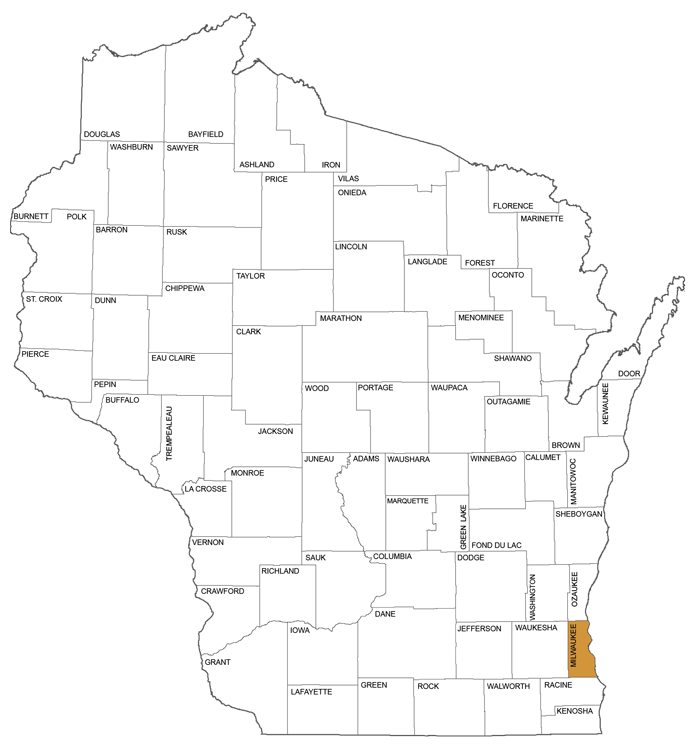
District I—Milwaukee County

Judge White
Chief Judge, District I

Judge Donald
Deputy Chief Judge, District I

Judge Colon
District I

Judge Geenen
District I
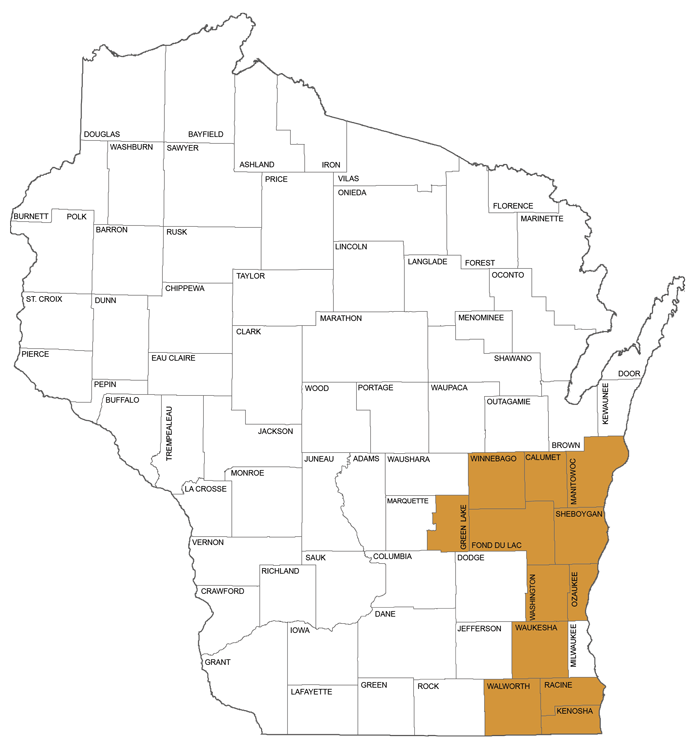
District II—Southeastern Wisconsin

Judge Neubauer
Presiding Judge, District II

Judge Grogan
District II

Judge Gundrum
District II

Judge Lazar
District II
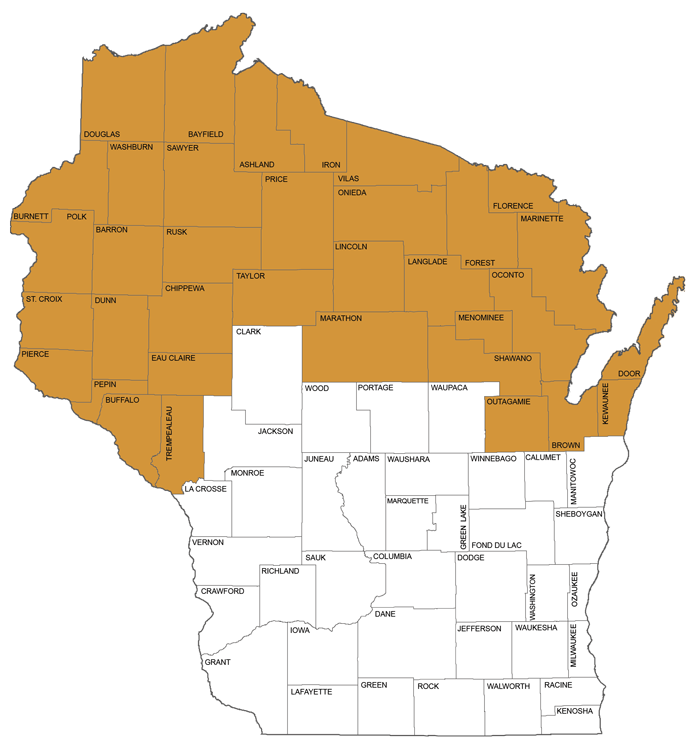
District III—Northern Wisconsin

Judge Stark
Presiding Judge, District III

Judge Hruz
District III

Judge Gill
District III
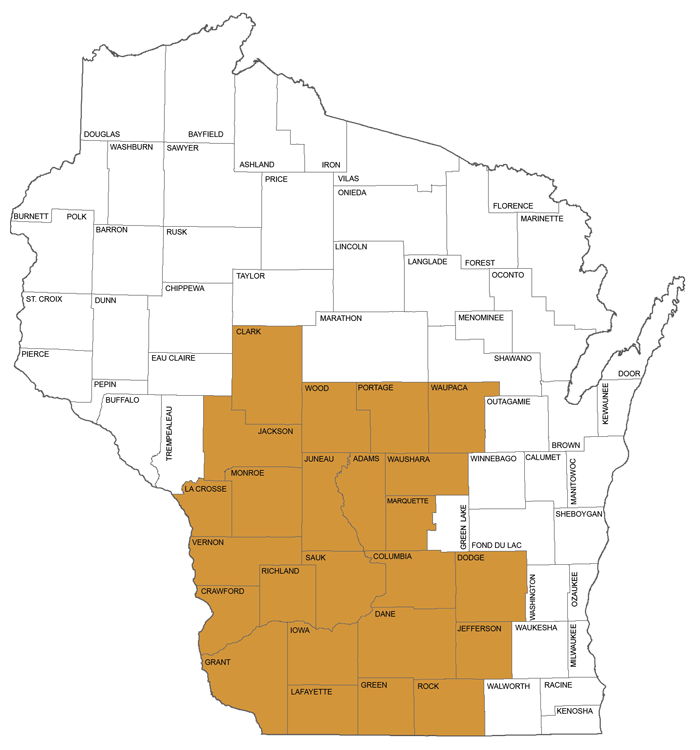
District IV—Western & Southern Wisconsin

Judge Graham
Presiding Judge, District IV

Judge Kloppenburg
District IV

Judge Taylor
District IV

Judge Nashold
District IV

Judge Blanchard
District IV
The workhorse of Wisconsin's judiciary.
About this Report
The Wisconsin Court of Appeals resolves all appeals that never reach the Supreme Court—the vast majority of Wisconsin appeals. Its published opinions establish binding precedent statewide. Despite this profound influence, no organization had attempted a systematic, opinion-by-opinion review of the court’s work.
The Institute for Reforming Government reviewed every published opinion issued by the Wisconsin Court of Appeals between January 2024 and December 2025—113 opinions across all four districts. Each was evaluated on six Standards: fidelity to binding precedent, respect for legislative authority, textualist methodology, judicial restraint, protection of individual liberty, and craft & clarity.
What we found: The Wisconsin Court of Appeals is, for the most part, a competent and professional institution. The overwhelming majority of published opinions reflect sound legal reasoning. But several important patterns emerged—most notably District II's significant internal divisions, with Judge Neubauer's dissent record producing the most distinct voting pattern of any judge in the four-district system.
Key Takeaways & Structural Insights.
Findings from Behind the Bench: How Wisconsin’s Court of Appeals Judges Actually Decide—a qualitative review of every published opinion (Jan 2024 – Dec 2025).
The Most Significant Ideological Divisions Occurred in District II
The Waukesha bench regularly splintered. Presiding Judge Neubauer repeatedly dissented from her conservative colleagues, forging a distinct progressive jurisprudence that frequently clashed with the textualist majorities authored by Judges Gundrum, Grogan, and Lazar—proving that the philosophical disposition of the jurist remains paramount when the text is fiercely contested.
District IV Has Disproportionate Judges Relative to Its Caseload
District IV operates with five judges yet handles a published docket comparable in size to districts with three or four judges. This structural imbalance raises questions about resource allocation and whether the current district boundaries reflect the actual distribution of appellate workload.
District Composition Matters More Than Most People Realize
Wisconsin’s appellate architecture treats the four districts as interchangeable equivalents—a profound fiction. Because cases are tethered to the circuit courts of their origin, the four districts receive fundamentally different types of cases based entirely on geography. District I (Milwaukee) manages a heavy urban criminal and complex commercial docket; District IV (Madison) gets the government-structure cases.
District II Was Reversed Most Often by the Supreme Court
Of the four districts, District II produced the most Supreme Court interactions during the evaluation period. The Supreme Court reversed District II opinions in WMC v. DNR, Kaul v. Legislature, Halter v. WIAA, and Oconomowoc v. Cota. In each case, Judge Neubauer had dissented from the Court of Appeals majority—a pattern warranting close attention.
The Court of Appeals Is Largely Doing Its Job
Across more than 100 published opinions, most of the docket reflects a faithful application of binding Supreme Court precedent. In routine matters, the 16 jurists demonstrate competent statutory interpretation under the Kalal framework and appropriate judicial restraint—foundational stability before any structural diagnosis.
The Court Should Have More Flexibility to Revisit Wrongly Decided Precedent
Under the current framework, a published Court of Appeals opinion binds all four districts until the Supreme Court overrules it. If the first district to publish on a novel question gets it wrong, every other district is locked into following that error. The court needs a mechanism to reconsider its own published precedent without requiring Supreme Court intervention.
Structural Reform Deserves Serious Consideration
Geographic concentration of case types, the absence of statewide panel randomization, and the first-to-publish binding precedent rule all create structural pressures that affect the quality and consistency of Wisconsin appellate law—problems that cannot be solved by evaluating individual judges alone.
Districts Should Evaluate Their Practices vis-à-vis Their Peers
Different districts approach different parts of the judicial process uniquely. Some publish opinions more often; some prefer oral argument; some have longer wait times to decision. Cross-district comparison illuminates institutional choices that shape Wisconsin appellate justice.
Six Standards of judicial reasoning.
Every published opinion was evaluated against these six Standards—each grounded in external, verifiable reference points like Kalal, Cook v. Cook, and Tetra Tech.
Click any standard to read the full evaluation criteria.
Adherence to Precedent
Does the opinion identify and apply controlling Wisconsin Supreme Court authority? Reference points: Cook v. Cook precedent hierarchy and on-point Supreme Court holdings.
Legislative Deference
Does the opinion treat the legislature's enacted text as the operative legal instrument, applying de novo review under Tetra Tech rather than reflexive agency deference?
Textualism & Statutory Fidelity
Does the opinion apply the Kalal plain-meaning framework? Begin with text, engage statutory structure, and reach extrinsic sources only after finding ambiguity.
Judicial Restraint
Does the opinion decide what the parties asked the court to decide—and no more? Resolve on the narrowest available ground; avoid unnecessary dicta.
Individual Liberty
Does the opinion apply the scrutiny that the relevant constitutional provision demands? This Standard measures analytical rigor, not outcome.
Craft & Clarity
Is the opinion written so its operative legal rule can be identified and applied by circuit court judges, attorneys, and informed citizens? Holdings must be clear.